- +40 728 840 309
- +40 727 776 787
- This email address is being protected from spambots. You need JavaScript enabled to view it.

-

Microservices and Containers (e.g. Docker) brought another revolution to the software industry, machines faithfully following Amdahl's Law. Man on the other hand is not as fast to change as the machines one invents and is still faithfully following Conway's Law. How can this struggle be managed ?
-
At some point, you probably ask yourself, as we did, “Why should I join a club?” Why would I need to meet people who share ideas from domains I’m interested in, as long as there are so many groups on social media which I can follow online?
-
All the people are so much bigger on the inside but first, they should discover it !
Be more pragmatic and concentrate less on emotions or ideals. We don’t say that we should forget about emotions at all, we say that the focus should be on taking action in order to achieve smart objectives.
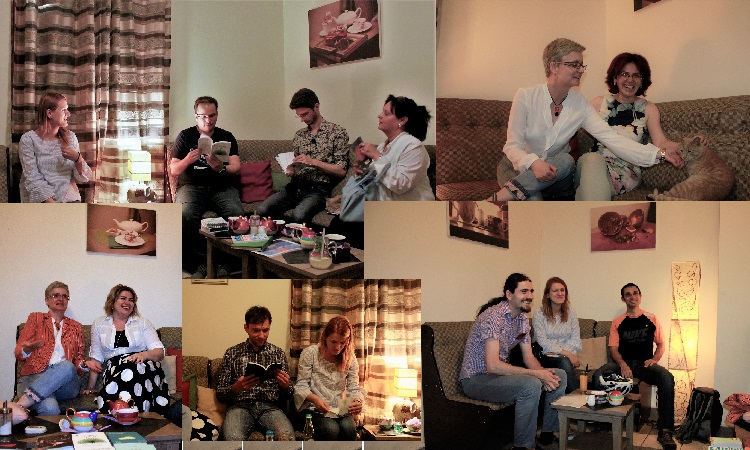
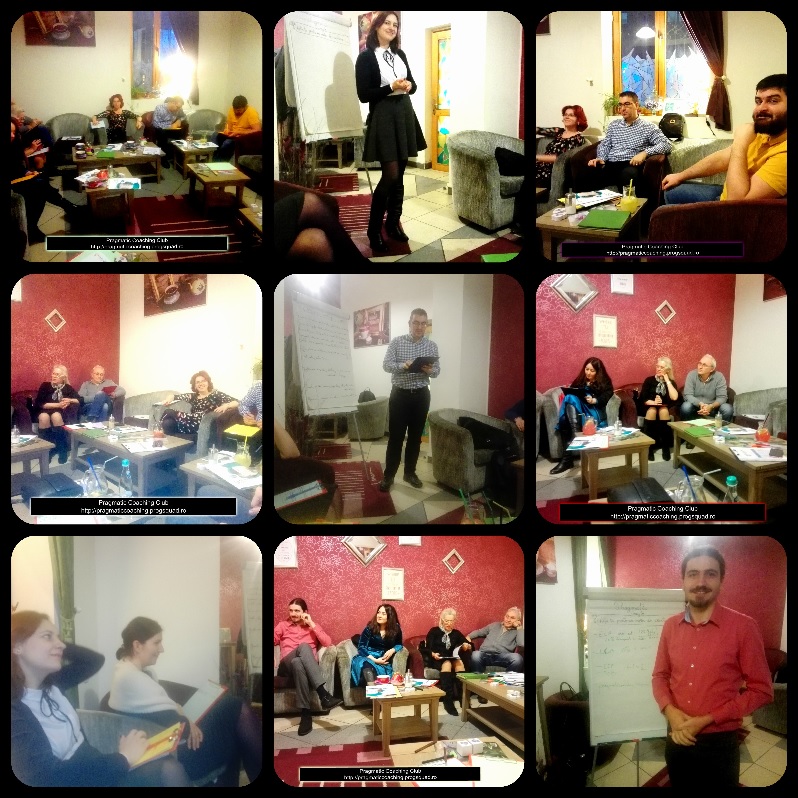
Our first meeting in Pragmatic Coaching Club was on the 4th of May, a nice spring evening, at Bohemia Tea House. Can I say that tea was great? It was, and I will come back again in future. But, first of all, I want to tell you more about this evening. Our team had the opportunity to spend quality time in the company of very nice people. Everything was just perfect and we know that all the discussions brought us valuable information for our next meetings and for improving the pragmatic coaching delivery...
-
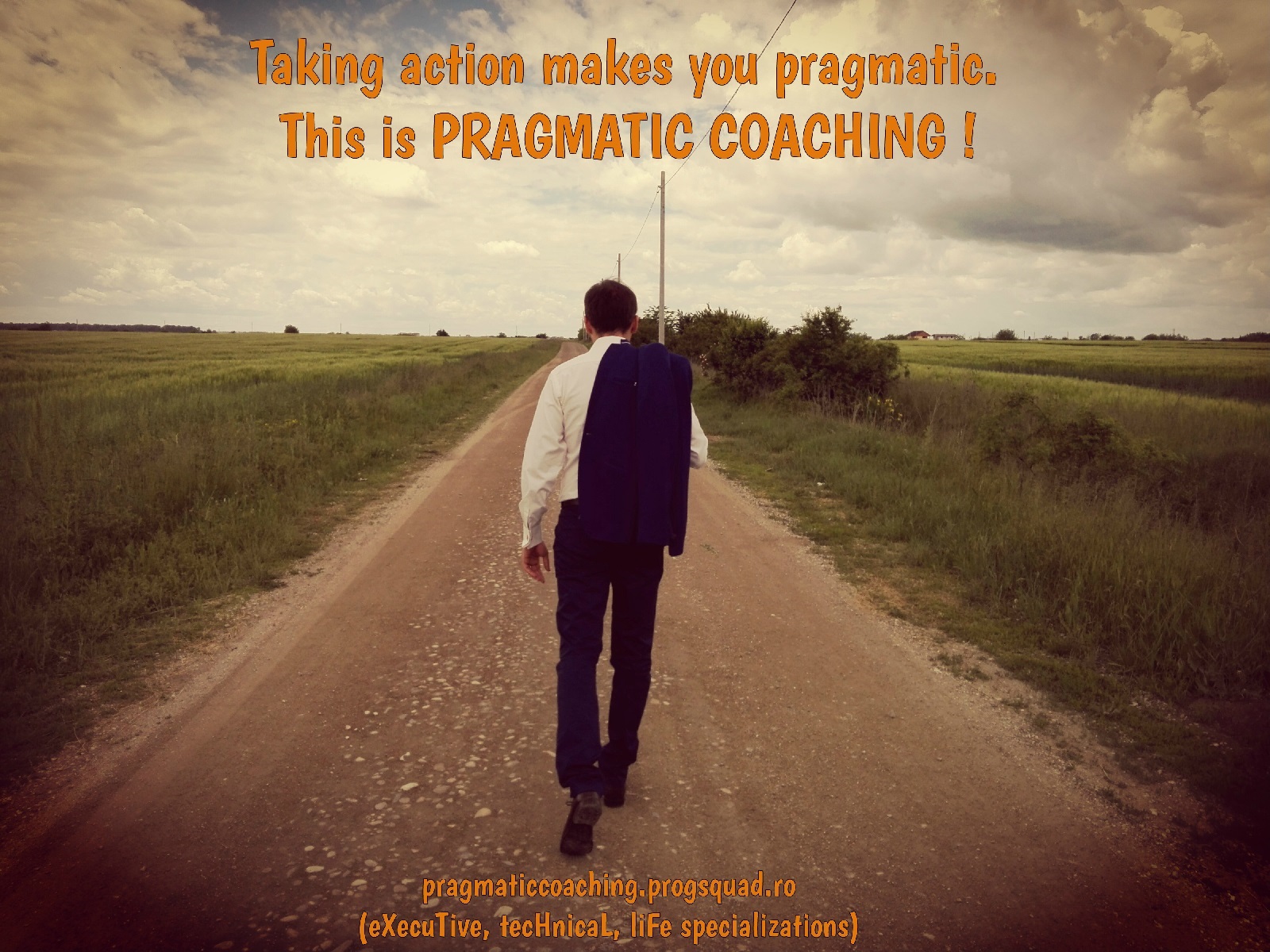
If you have chosen a direction, set up your objectivesand take action to achieve them. Enjoythe road, breath in the details which help you find solutionsand focus on the horizon. Taking action will inspire you to keep your balance. Balance is movement. Balance is riding towards the future. Just like riding a bicycle, when all you need to do to keep moving is to keep your balance. Everything else will keep you in standby.
Taking action makes you pragmatic. And YES! This is PRAGMATIC COACHING!
-
Hello again! Nice to meet you on our newest testimonial of our monthly meetings at Pragmatic Coaching Club!
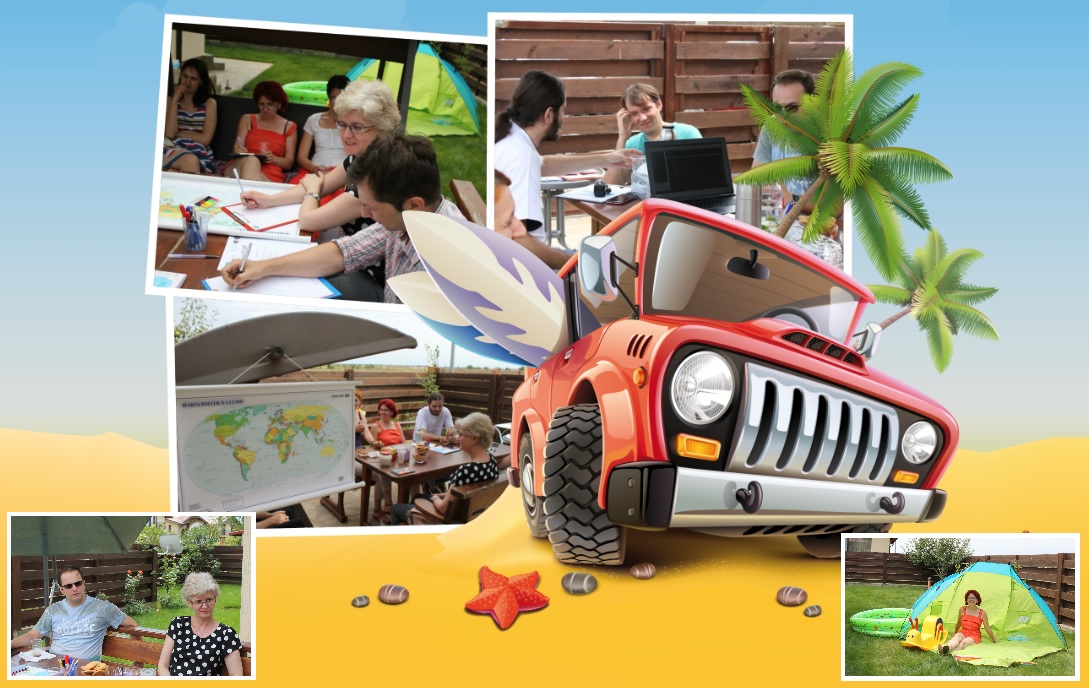
We met for the first time outside the city, in a corner of nature, to apply a new coaching exercise, derived from the TGROWmodel, to facilitate insights and action plans regarding our travel expectations and ideals. Enjoying a green space and a holiday setting, we talked about the travel locations that best fit our goals, by exploring reality, optionsand actions(ways forward).
-
Hello again! Nice to meet you on our newest testimonial of our monthly meetings at Pragmatic Coaching Club!
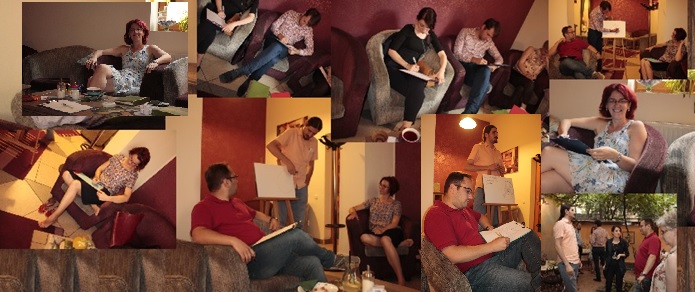
We met again on the lovely premises of Bohemia Tea House, to approach, from a pragmatic coaching mindset, one of the most challenging and beautiful ideals, often a long term coaching objective: balance in our life. It has been a highly interactive meeting, with carefully designed coaching exercises, that we explored both individually and as a group.
We’ve been particularly happy about the level of engagement of our colleagues, who have shown both openness and willingness to share their concerns, as they assumed client roles in the exercises, as well as insightfulness and availability to learn, as they assumed coaching roles in the exercises.
The focus of the exercises was the balance in our involvement in supporting the different roles of a company and in the second part of the meeting we explored a similar exercise, to highlight the importance of balance in various areas of personal interest such as family, health, friends, personal and professional development etc.
On July 15, at a new meeting of the Pragmatic Coaching Club, we will approach a completely new and exciting coaching exercise: travel coaching, as we are on holidays. How you can choose a destination that suits you best by applying coaching, you'll discover the next month. For enrollments, please fill out this FORM.
Become today a member of Pragmatic Coaching Club and you’ll discover more information about Executive Coaching, Technical Coaching and Life Coaching.
-
Am dezvoltat coaching tehnic pragmatic, o abordare de coaching foarte puternică pentru team leaderi tehnici, project manageri tehnici și, în general, oricine tehnic și care s-a prins, la fel ca și mine, de câteva realități non-tehnice care ne influențează mai mult decât vrem să recunoaștem, zi de zi, chiar pe noi, the tech guys (and gals) și care nu pot fi rezolvate doar prin skillurile tehnice! Cum de am ajuns aici? Citește mai departe și am să încep să te conving că nu-i nicio magie neagră la mijloc, doar artă și meșteșug!
-
Coachingul Tehnic Pragmatic este stilul de viață și modelul de conduită și excelență profesională al liderilor tehnici profesioniști din zilele noastre, fie ei manageri, team leaderi, software engineers, business analysts, quality engineers, devops engineers, usability engineers, ș.a.m.d. Realizarea sau revelația acestui fapt poate începe de la o simplă întrebare de coaching: Ce înseamnă însă să fii un bun profesionist ?
-
Pragmatic Coaching Club – Retrospectiva întâlnirii din 18 Ianuarie
Întâlnirile lunare din cadrul Clubului de Pragmatic Coaching, incluse în cele două tipuri de abonamente, Standard sau Professional, ale Școlii de Pragmatic Coaching, au rolul de a te introduce în domeniul coaching-ului, prin exerciții și concepte de coaching pentru a te susține în obiectivul tău de dezvoltare personală și profesională. Tema întâlnirii de joi, 18 ianuarie, a fost “Viața ta printr-un motor de căutare”, temă de Coaching Tehnic Pragmatic. Descarcă de aici broșura și vezi aici calendarul, pentru a afla mai multe informații despre Școala și Clubul de Coaching Pragmatic.
-
What is the place of pragmatism in the virtual world of software and technology? How can this concept, which deals almost exclusively in reality and results, in the “hardware” of life, be applied in the abstract domain of software? How can “pragmatic” be an attribute of any part of a domain such as software where it is acceptable to say that projects consistently run grossly over the originally estimated time and budget?
-
In my previous article on Pragmatic Software Architecture, I wrote about the need for grounding software by defining a set of rules. Those rules make up the software’s architecture. In this article I want to explore the types of rules that can be used in an architecture to satisfy its fundamental role of grounding software.